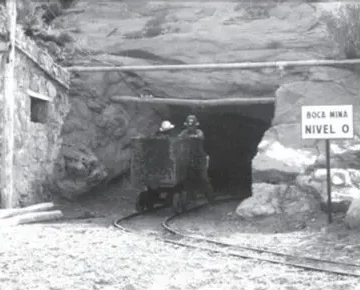
1954
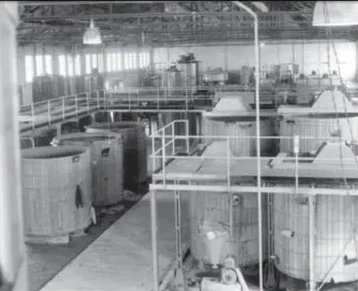
1975 (after water problems at lower levels & opening of nearby Sierra Pintada U Mine)
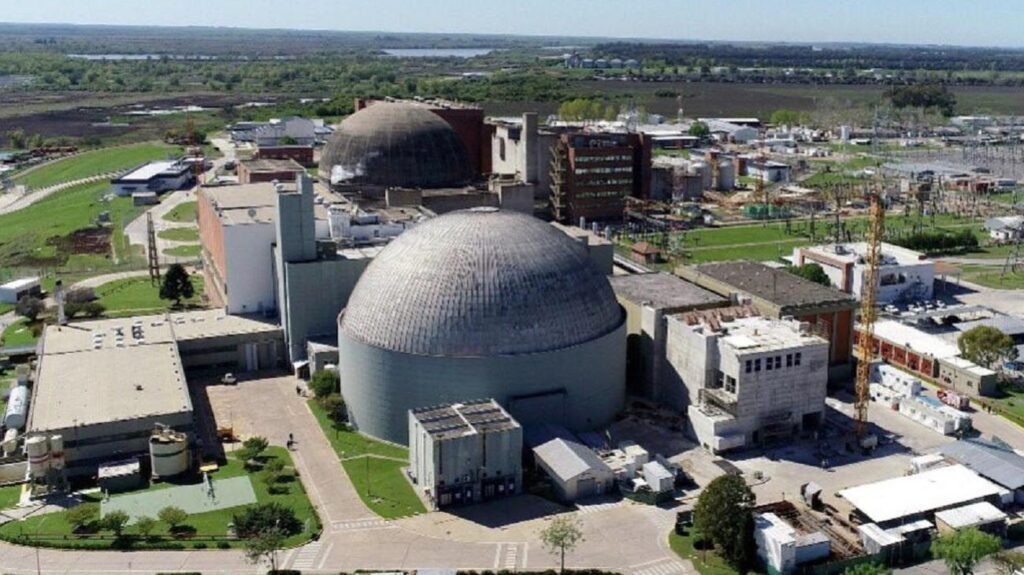
Argentina operates three nuclear reactors, with additional reactors under construction and plans to expand capacity
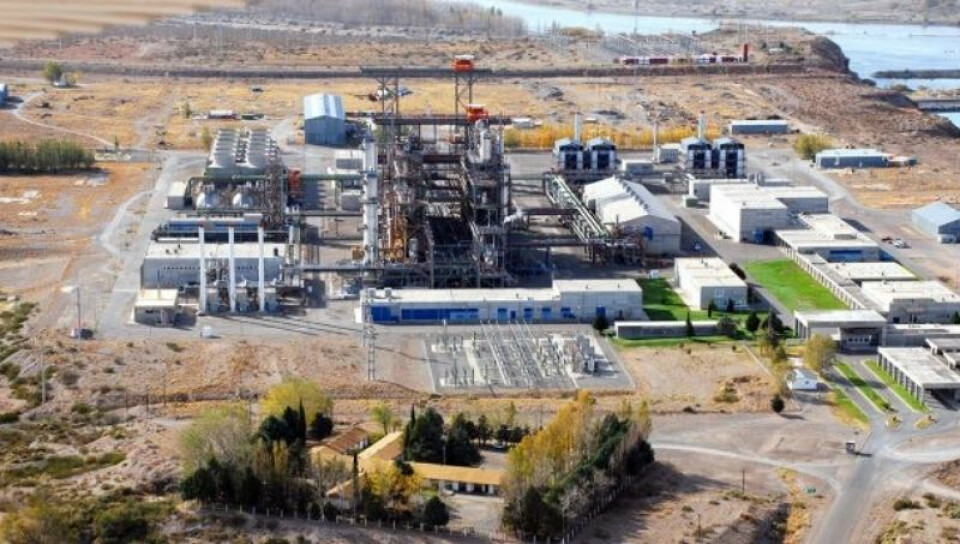
Established uranium mining, processing, and nuclear fuel infrastructure across Mendoza and Neuquén provinces
Renewed U.S. & Argentina nuclear cooperation and policy focus on securing uranium supply support infrastructure development
Argentina to establish itself as a domestic producer for its own Uranium needs (currently imports 100% of supply)
Building four new reactors by 2030 to convert energy production to nuclear over coming decade
Dedicated Federal, Provincial and Municipal teams to fast-track mining activity (permitting) for uranium production in line with new reactor timelines
Focus on historic mines (Jaguar), including in-place infrastructure
Argentine Gov’t + CNEA looking to build central processing facilities to reduce capital cost for processing for new domestic uranium supply
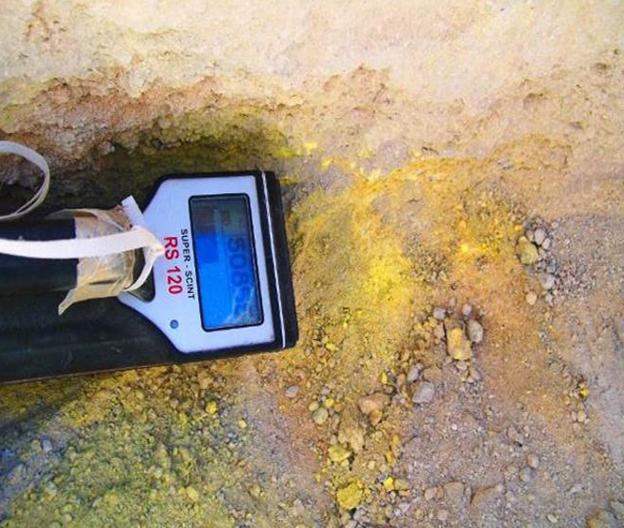
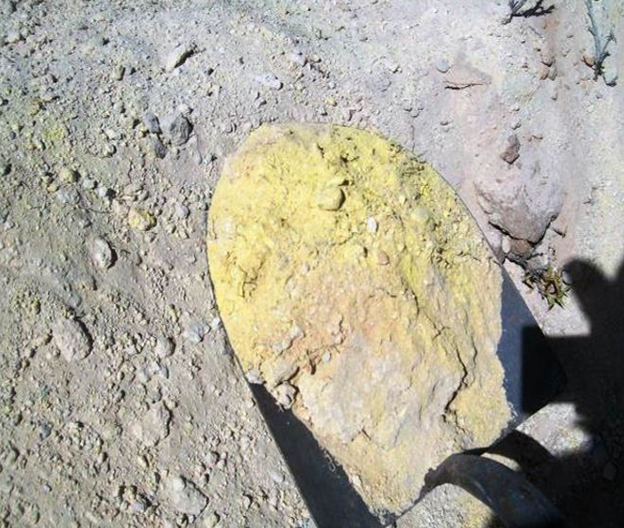
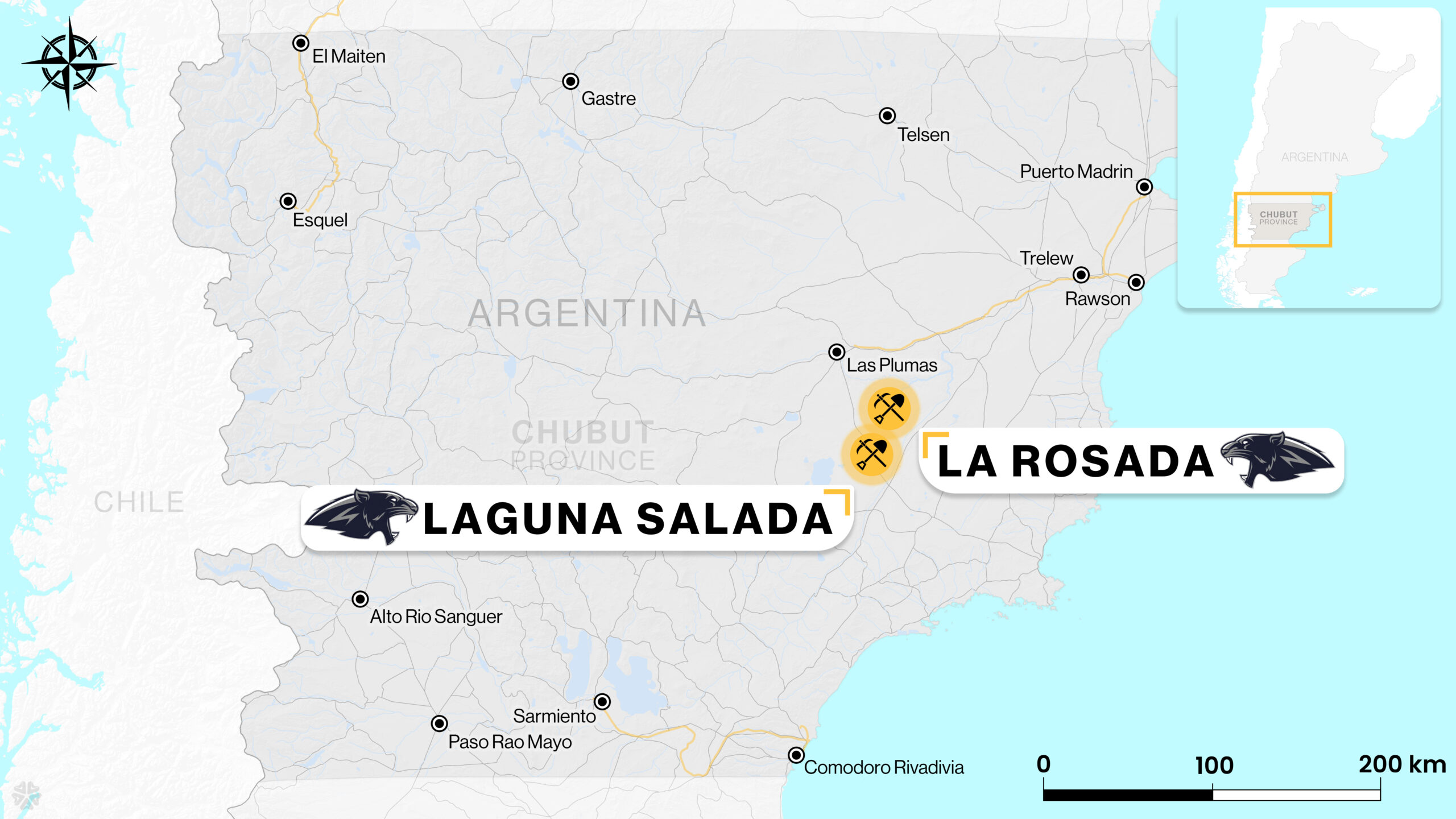
Near-surface deposit defined at Laguna Salada
Large exploration upside nearby at the Susana, Buried Lake and La Rosada targets – nearly 300,000 Ha
Metallurgical testing planned to confirm commercial recovery levels
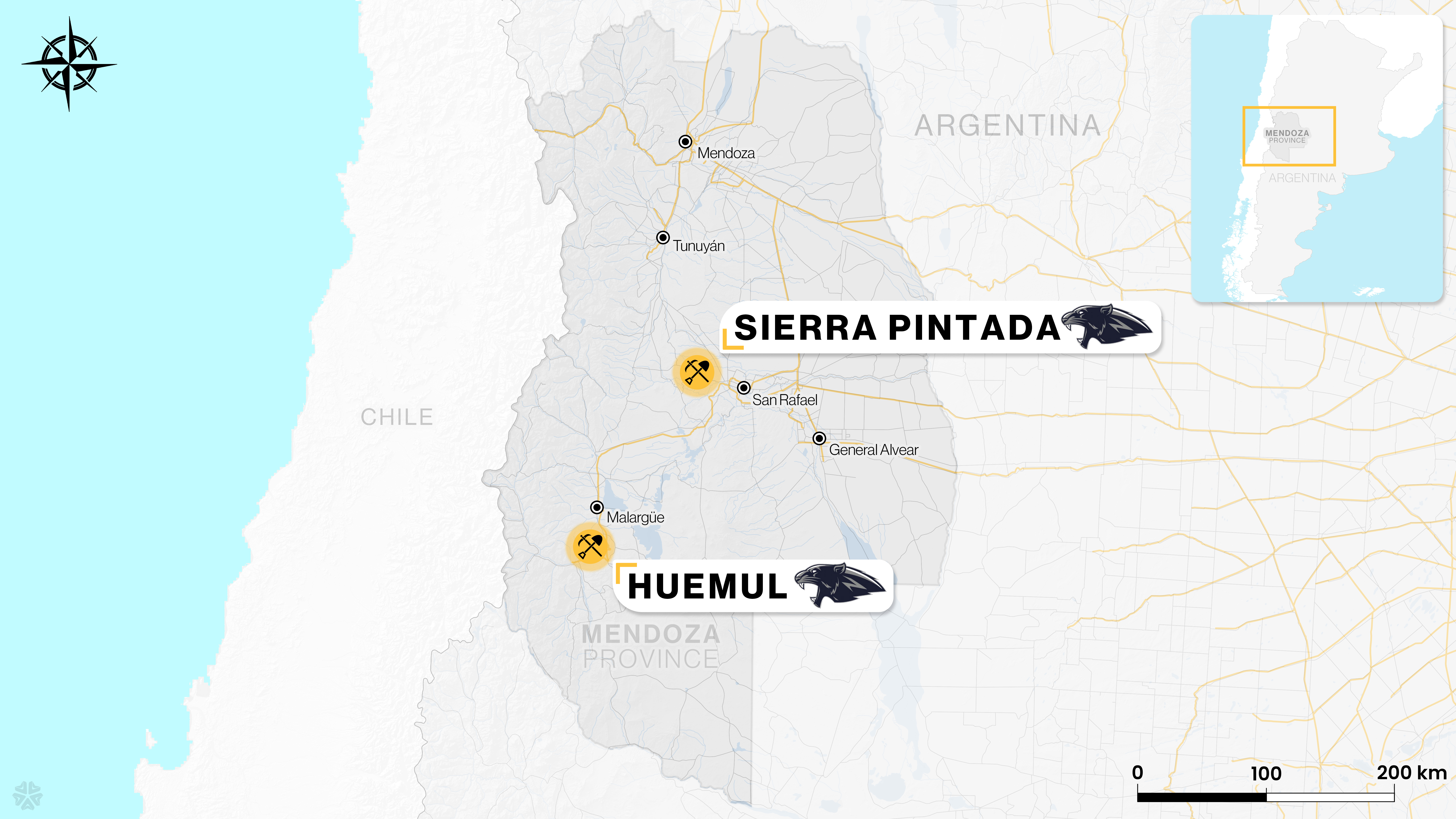
Huemul Mine: 20,700 ha covers Argentina’s oldest U-Cu-V mine
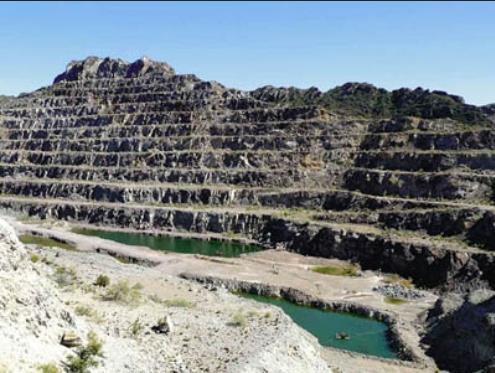
Sierra Pintada District: Argentina’s last uranium-producing district (1997)
Located within an established uranium mining district with existing processing and nuclear infrastructure
Exploration upside supported by ~500,000 lbs of historical uranium production with mineralization open beyond mined areas
Additional exposure to copper and vanadium provides multi-commodity upside across the project area